
Common Flooring Mistakes and How to Avoid Them


The Importance of Choosing the Right Flooring
When it comes to home renovations, one of the most significant choices you'll make is selecting the right flooring. It's essential to consider factors like durability, maintenance, and aesthetics. Choosing the wrong type of flooring can lead to various issues down the line, affecting both the appearance and functionality of your space.

Overlooking Subfloor Conditions
Before installing any flooring, it's crucial to assess the condition of your subfloor. A damaged or uneven subfloor can lead to problems such as squeaking, buckling, or cracking. Ensure that the subfloor is clean, dry, and level before proceeding with the installation. This simple step can save you from costly repairs in the future.
Ignoring Room Usage
Not all flooring materials are suitable for every room. For instance, hardwood might not be the best choice for a bathroom due to moisture levels. Instead, consider options like tiles or vinyl for wet areas, and reserve hardwood or carpet for living rooms and bedrooms where comfort is a priority.

Common Installation Mistakes
Improper installation can ruin the look and longevity of your flooring. Here are some common mistakes and how to avoid them:
- Skipping Acclimatization: Many materials, like hardwood, need time to acclimatize to the room's temperature and humidity. Skipping this step can lead to warping or gaps.
- Poor Planning: Failing to plan the layout can result in uneven patterns or awkward cuts. Always measure and plan before cutting materials.
Neglecting Maintenance
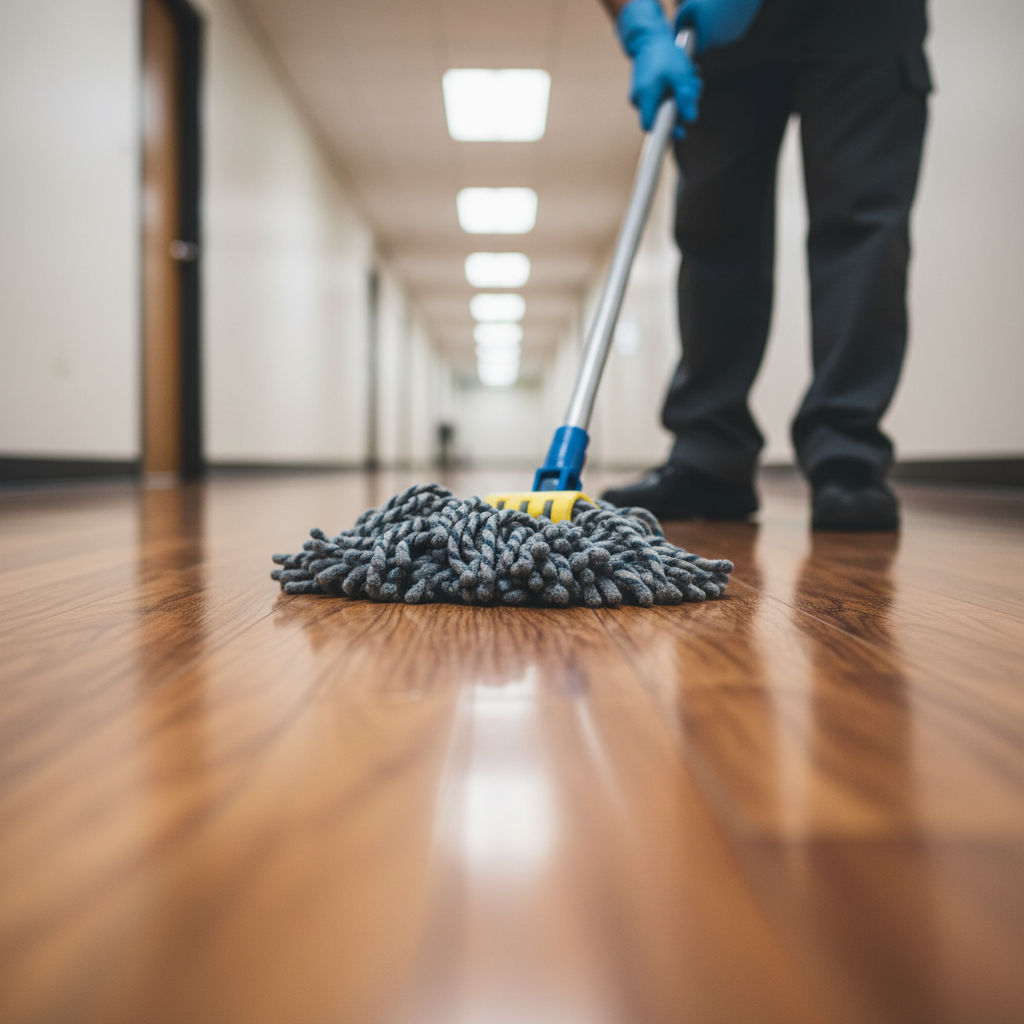
Even the most durable flooring requires regular maintenance. Neglecting this can shorten the lifespan of your floors. For example, hardwood needs periodic refinishing, while carpets require regular vacuuming and professional cleaning.
Choosing the Wrong Underlayment
The underlayment is a crucial component that supports and stabilizes your flooring. Choosing the wrong type can affect comfort, noise levels, and moisture control. Make sure to select an underlayment that complements your flooring material and room conditions.
DIY vs. Professional Installation
While DIY projects can save money, flooring installation is often best left to professionals. They have the expertise and tools necessary to ensure a flawless finish. If you choose to DIY, be prepared to invest time in research and practice to avoid common pitfalls.
By being aware of these common flooring mistakes and taking proactive steps, you can ensure a smooth and successful flooring project that enhances your home's beauty and functionality.