
Eco-Friendly Flooring Options: Sustainable Choices for Conscious Consumers


Why Choose Eco-Friendly Flooring?
As environmental awareness grows, more consumers are turning to eco-friendly flooring options. Not only do these choices help reduce carbon footprints, but they also contribute to a healthier home environment. Whether you are renovating a single room or an entire house, sustainable flooring can be a smart and responsible choice.
Eco-friendly flooring options are designed with sustainability in mind. They utilize renewable resources, reduce waste, and often boast longer lifespans than conventional materials. Let’s explore some popular options that align with these values.
Bamboo: A Rapidly Renewable Resource
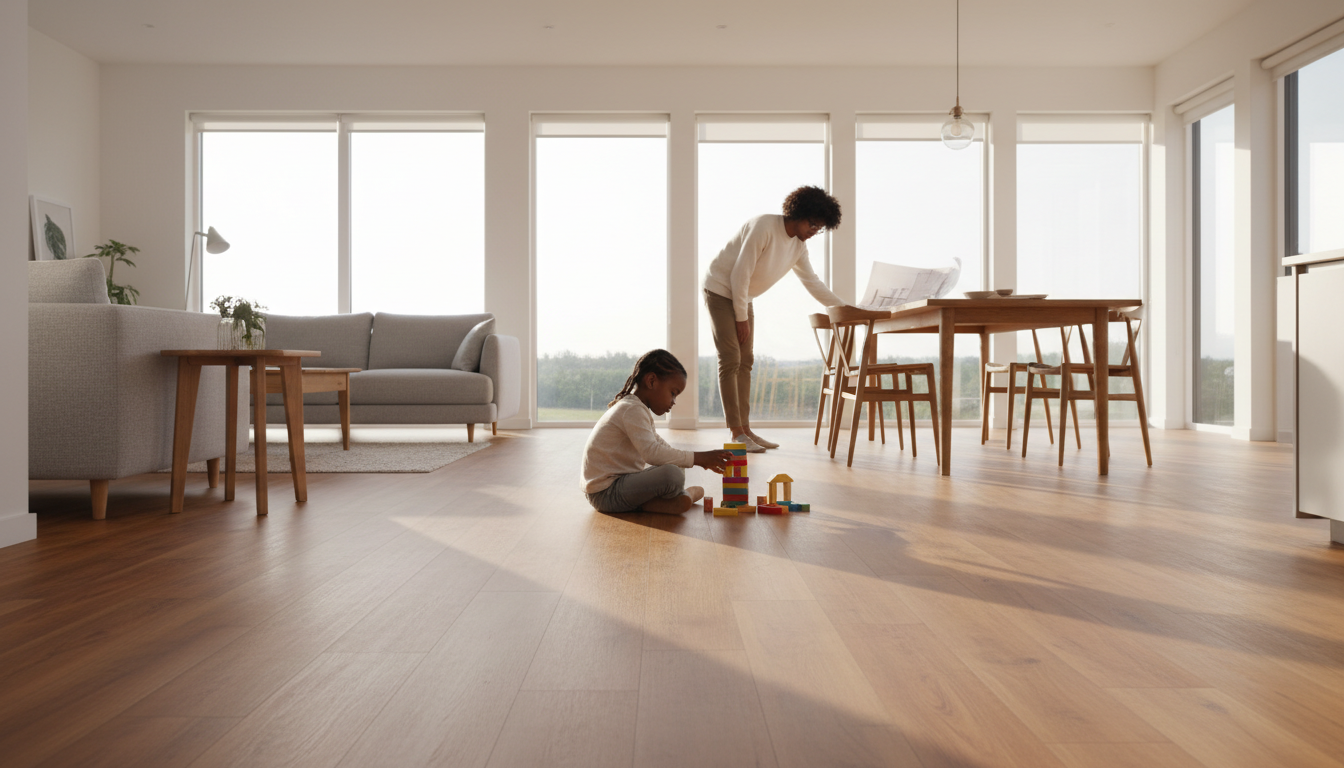
Bamboo flooring has gained popularity due to its rapid renewability. Unlike traditional hardwood, bamboo can grow back quickly after being harvested, often reaching maturity in just three to five years. This makes it an excellent choice for those looking to minimize environmental impact.
Additionally, bamboo offers a sleek and modern aesthetic, fitting well in various interior styles. It’s known for its durability and resistance to moisture, making it suitable for kitchens and bathrooms.
Cork: Comfortable and Sustainable
Cork flooring is another environmentally friendly option made from the bark of cork oak trees. The harvesting process does not harm the tree, allowing it to continue growing and absorbing carbon dioxide. Cork is naturally antimicrobial, reducing allergens and promoting a healthier indoor environment.
The comfort of cork flooring is unparalleled, offering a soft, cushioned surface that is both noise-reducing and insulating. This makes it an ideal choice for bedrooms and living areas.
Reclaimed Wood: A Second Life for Timber
Reclaimed wood flooring gives new life to old timber, often sourced from old barns, factories, or warehouses. By repurposing existing materials, you can enjoy the beauty of aged wood without contributing to deforestation.
This type of flooring not only adds character and history to your home but also supports sustainable practices by reducing waste. Each piece of reclaimed wood tells a unique story, creating an inviting and timeless atmosphere.
Linoleum: A Natural Classic
Linoleum, often confused with its synthetic counterpart vinyl, is made from natural materials like linseed oil, cork dust, and wood flour. It is biodegradable and has been used as a flooring material for over a century.
Its durability and ease of maintenance make linoleum a practical choice for high-traffic areas. Available in a wide range of colors and patterns, linoleum can complement any design aesthetic.
Choosing the Right Option for Your Home
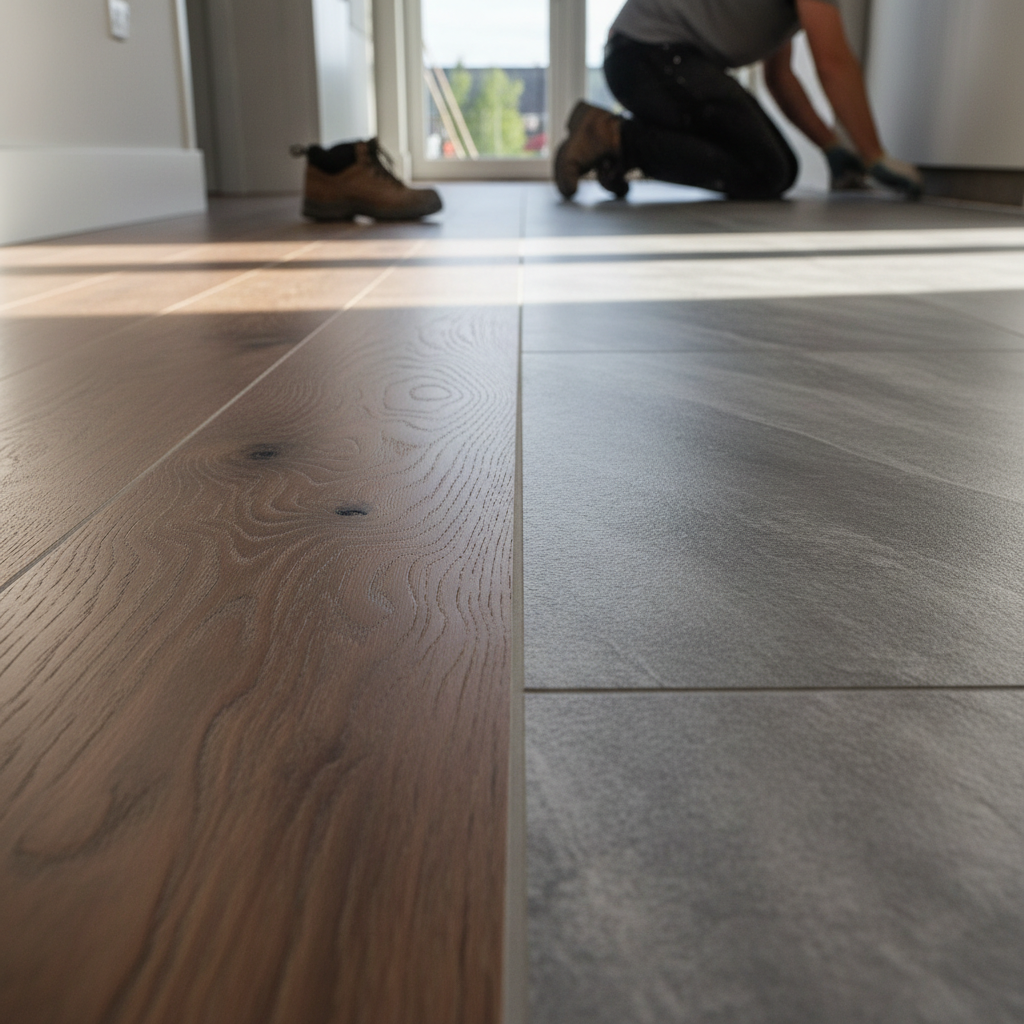
When selecting eco-friendly flooring, consider the specific needs of your home, such as moisture levels, foot traffic, and aesthetic preferences. By opting for sustainable materials, you not only contribute to environmental conservation but also create a living space that is healthier and more comfortable.
Investing in eco-friendly flooring is a step towards a more sustainable lifestyle. With a variety of options available, you can find the perfect match for your home, reflecting both your style and values.