
Expert Insights: Trends in Sustainable Flooring Materials


Introduction to Sustainable Flooring
As the world becomes more environmentally conscious, the demand for sustainable flooring materials has surged. Homeowners and businesses alike are seeking eco-friendly options that not only look good but also reduce their environmental footprint. In this post, we will explore the latest trends in sustainable flooring materials and provide expert insights into what makes these materials stand out.
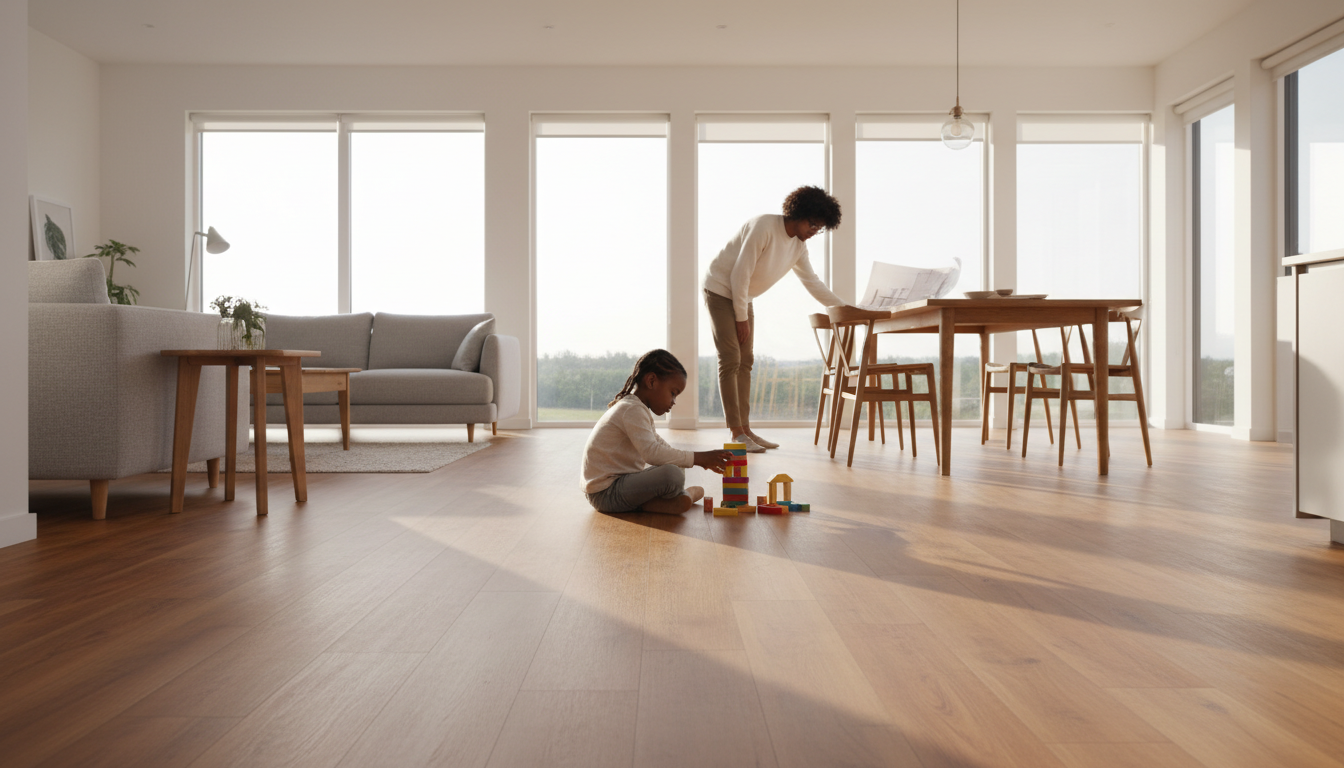
Reclaimed Wood: A Timeless Choice
Reclaimed wood has become a popular choice for those looking to combine sustainability with classic aesthetics. This material is sourced from old buildings, barns, and other structures, giving it a unique character that new wood cannot replicate. By repurposing existing wood, we reduce the demand for new lumber and help preserve forests.
Moreover, reclaimed wood offers durability and a rustic charm that can enhance any space. It's a perfect blend of history and sustainability, making it a favorite among eco-conscious designers and homeowners.
The Benefits of Reclaimed Wood
- Reduces waste
- Preserves natural resources
- Offers unique aesthetic appeal
Bamboo: The Rapidly Renewable Resource
Bamboo flooring is another sustainable option gaining traction due to its rapid growth and renewability. Unlike traditional hardwoods, bamboo can grow up to three feet in 24 hours, making it a highly renewable resource. This makes bamboo an excellent alternative to conventional wood flooring.
In addition to its eco-friendly properties, bamboo is known for its strength and versatility. It is resistant to moisture and can be engineered to mimic the appearance of various wood types, offering both functionality and style.
Why Choose Bamboo?
- Fast-growing and renewable
- Durable and moisture-resistant
- Versatile in design
Cork Flooring: Comfort Meets Sustainability
Cork flooring is derived from the bark of cork oak trees, which can be harvested without harming the tree. This makes cork a sustainable choice that also offers a unique set of benefits. Known for its cushioning and insulating properties, cork is ideal for areas where comfort and warmth are desired.
Additionally, cork is naturally resistant to mold, mildew, and pests, making it a low-maintenance option for busy households. Its eco-friendly credentials and practicality make cork flooring an appealing choice for many homeowners.
Advantages of Cork Flooring
- Harvested sustainably
- Soft and insulating
- Resistant to mold and pests
Conclusion: The Future of Sustainable Flooring
The move towards sustainable flooring materials reflects a broader trend of environmental responsibility. As technology and design continue to evolve, we can expect even more innovative and eco-friendly flooring solutions to emerge. By choosing sustainable materials, we not only enhance our living spaces but also contribute to a healthier planet.
Whether you choose reclaimed wood, bamboo, or cork, the options for sustainable flooring are both diverse and promising. As awareness grows, these materials will likely become integral to modern design and construction.